Site delivery, building materials and project equipment
Construction shipments must fit both the cargo and the jobsite. A commercial address alone may not identify the correct access road, unloading area or site supervisor. Plan around site readiness, lifting resources and the sequence in which materials are needed so the truck can arrive at a usable delivery point.
Freight profile and shipment information
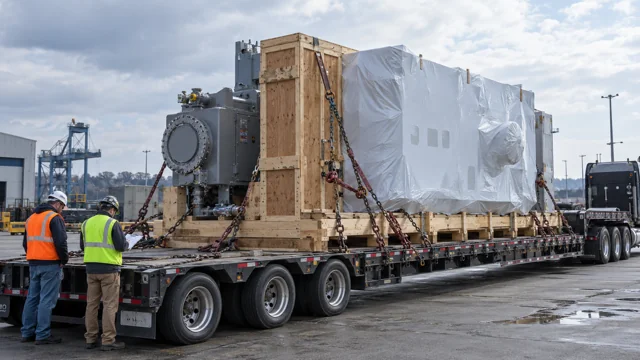
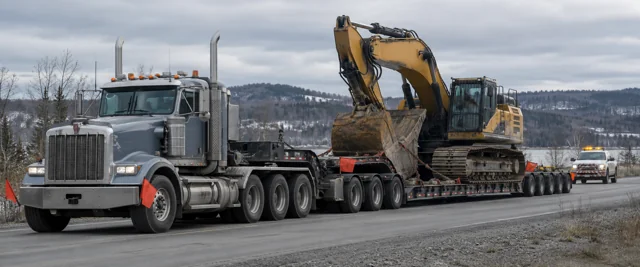
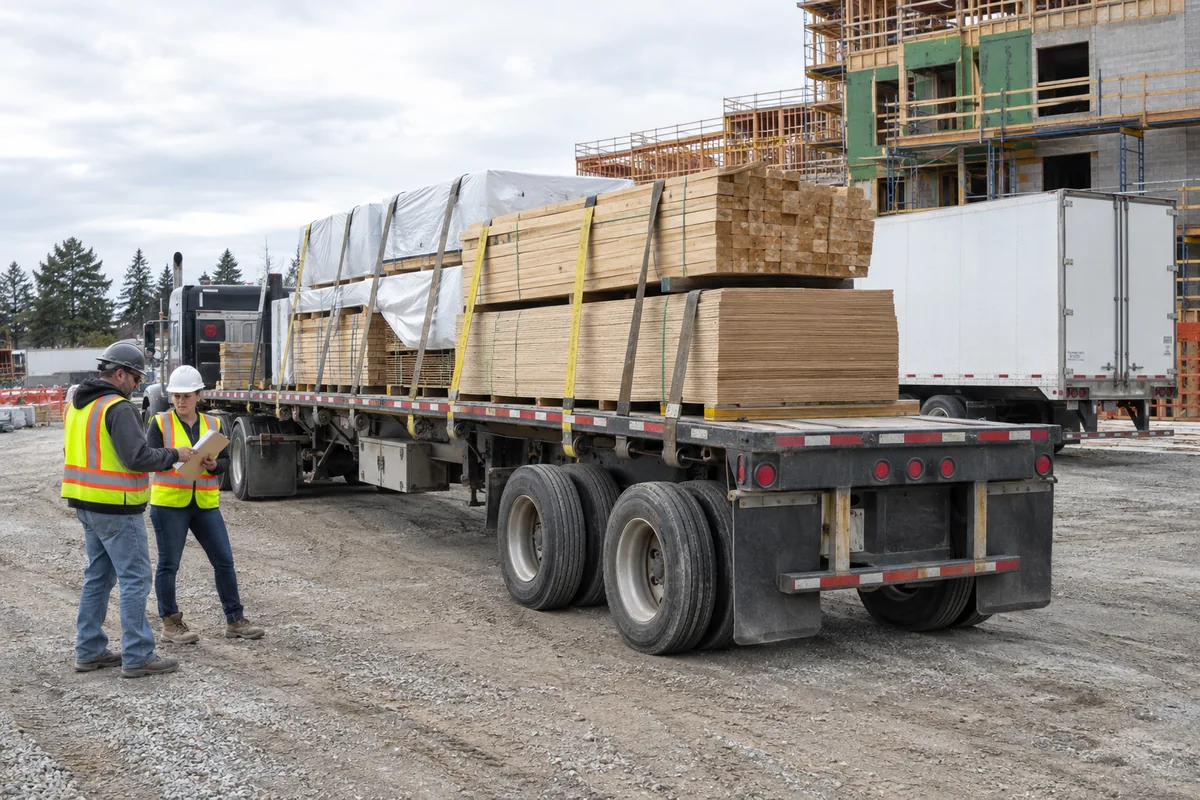
Typical freight includes packaged materials, pipe, structural products, fixtures and machinery. Provide measured dimensions, weights, bundle counts and cargo photographs when helpful. Identify sharp edges, weather sensitivity, stacking limitations and whether flatbed, enclosed or specialised equipment is needed. Oversized or heavy pieces require separate feasibility review.
What to prepare before booking
Share the exact gate or delivery location, contact, access hours, road surface and any vehicle restrictions. Confirm crane or forklift capability and the person responsible for unloading. Explain whether the site requires protective equipment, an induction or a delivery reservation. Do not assume the driver supplies a crane, labour crew or installation service.
How VEXO coordinates the movement
VEXO coordinates equipment and timing against the confirmed shipment and site requirements. The plan should align loading readiness with the booked unloading resource. For multi-load projects, agree the unloading sequence and how a site delay affects following loads. The actual carrier and specialists must assess applicable route, securement and permit needs.
Shipper, carrier and receiver responsibilities
The shipper provides safe packaging and accurate technical information. The operating provider checks its equipment and securement responsibilities. The receiving team supplies safe access and the accepted unloading resources. If conditions differ from the plan, the driver should stop and seek instructions rather than attempt an unsafe manoeuvre.
When plans change or issues arise
Weather, soft ground, blocked access or a crane breakdown can require a revised delivery plan. Report the site condition and available alternatives with photographs where appropriate. Waiting, rebooking, storage or return movement may create additional charges. Obtain written instructions for refused materials and document condition at the eventual handoff.
Build a repeatable shipping programme
For ongoing work, share your primary lanes, expected weekly volume, peak periods and the requirements that vary by location. Identify an operations contact and an alternative decision-maker for time-sensitive changes. A useful programme records equipment expectations, receiving windows, documentation and escalation arrangements for each lane.
Before each tender, confirm the current cargo, timing and site instructions. A previous successful delivery does not mean that a changed product, facility or handling requirement has already been accepted. Review new requirements with the coordinator before the freight is released.
Agree how performance will be discussed: pickup and delivery outcomes, avoidable waiting, recurring paperwork issues and supported billing discrepancies are practical starting points. Any reporting format or review schedule should be agreed for your account rather than assumed from a website description.
Delivery records and follow-through
Retain the accepted quote, shipment instructions, transport document and delivery receipt. Record visible shortages or damage accurately, preserve photographs and packaging where relevant, and report the issue promptly with the shipment reference. A receipt notation is useful evidence but does not replace presenting a claim through the applicable process.
Waiting, additional handling, changed destinations and redelivery should be supported by the relevant dates, times, receipts and instructions. Send these with the shipment reference so the parties can reconcile the charge against the accepted scope. Questions about product quality or suitability should go to the responsible product specialist.
Start the conversation
Use the quote form for your route, cargo and timing requirements, or speak with a specialist about a recurring programme. Include the industry-specific details above so the team can assess equipment and provider fit. Services, special handling and timing commitments are confirmed for the actual shipment before booking.
Request an industry quote ↗ Speak with a specialist