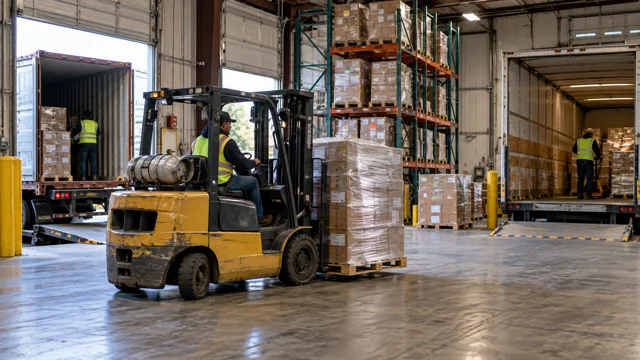
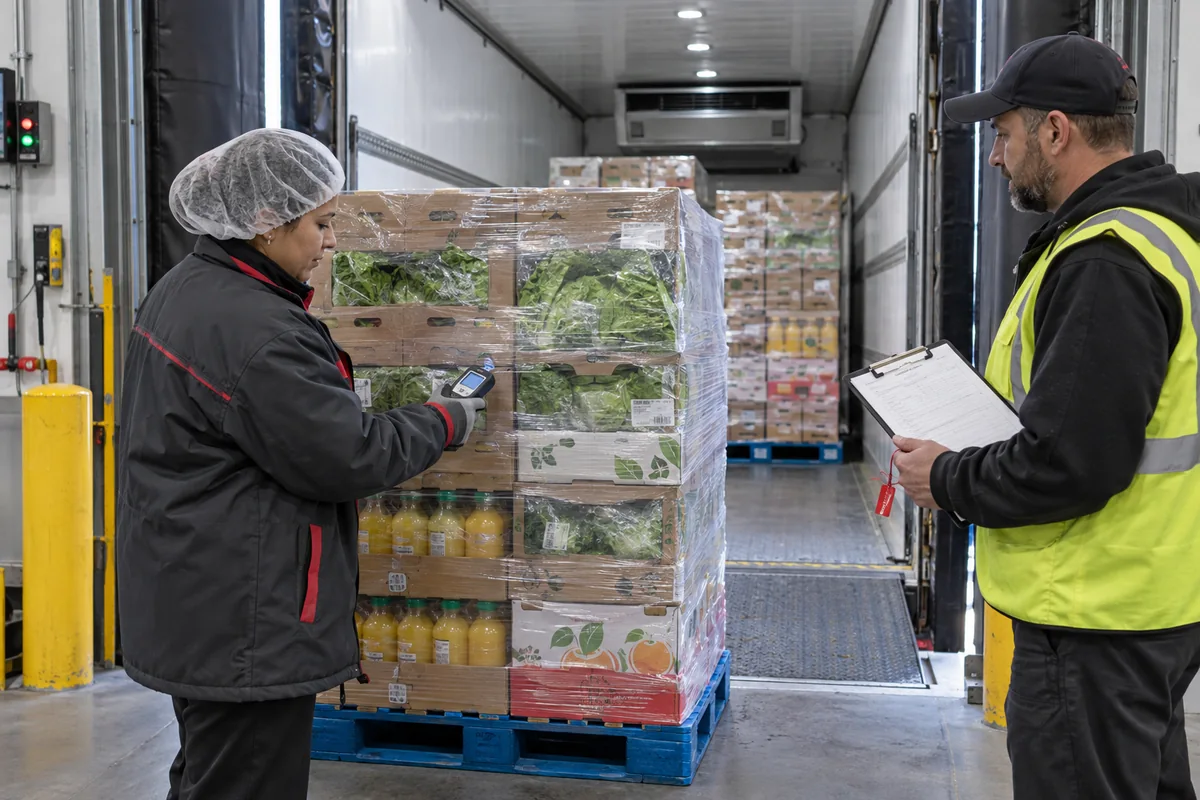
Food and beverage handling from loading to receipt
Food logistics starts with the commodity’s handling requirements. Shelf-stable products, chilled food and frozen goods need different arrangements, and not every food shipment requires the same temperature controls. Disclose the product and the written handling requirements so an appropriate provider can evaluate acceptance.
Freight profile and shipment information
Supply the product description, package count, weight, dimensions, temperature sensitivity and lot or batch identifiers where needed. State whether loads can travel with other commodities and identify odour, allergen or segregation restrictions. For refrigerated cargo, provide product temperature requirements, trailer set point, operating mode and acceptable tolerances as applicable.
What to prepare before booking
Give sanitation and prior-load requirements, loading instructions, seal expectations and receiver rejection criteria. Identify who can decide whether a product remains acceptable after an issue. Confirm whether records or loggers are required and who provides them. Ask for any monitoring capability explicitly rather than assuming that temperature is visible continuously.
How VEXO coordinates the movement
VEXO coordinates the accepted handling instructions with the operating provider and site contacts. The shipment plan should include readiness, equipment preparation, loading, reporting and delivery requirements. The parties must agree their actual responsibilities rather than rely on a broad food-grade label. Any special testing, inspection or recording service needs written scope.
Shipper, carrier and receiver responsibilities
The shipper supplies accurate product requirements and prepares the goods for transport. The relevant loading party checks the agreed preparation and documents exceptions. The carrier follows the accepted equipment instructions and reports alarms or departures from them. The receiver records condition and any relevant measurements using its agreed receiving procedure.
When plans change or issues arise
A temperature concern, broken seal or contamination concern requires prompt reporting and preservation of evidence. Product disposition belongs with the appropriately qualified decision-maker, not an assumption by dispatch. Prevent distribution of potentially unsafe food pending the appropriate determination. Document authorised inspection, segregation, redelivery or disposal and preserve the shipment records.
Build a repeatable shipping programme
For ongoing work, share your primary lanes, expected weekly volume, peak periods and the requirements that vary by location. Identify an operations contact and an alternative decision-maker for time-sensitive changes. A useful programme records equipment expectations, receiving windows, documentation and escalation arrangements for each lane.
Before each tender, confirm the current cargo, timing and site instructions. A previous successful delivery does not mean that a changed product, facility or handling requirement has already been accepted. Review new requirements with the coordinator before the freight is released.
Agree how performance will be discussed: pickup and delivery outcomes, avoidable waiting, recurring paperwork issues and supported billing discrepancies are practical starting points. Any reporting format or review schedule should be agreed for your account rather than assumed from a website description.
Delivery records and follow-through
Retain the accepted quote, shipment instructions, transport document and delivery receipt. Record visible shortages or damage accurately, preserve photographs and packaging where relevant, and report the issue promptly with the shipment reference. A receipt notation is useful evidence but does not replace presenting a claim through the applicable process.
Waiting, additional handling, changed destinations and redelivery should be supported by the relevant dates, times, receipts and instructions. Send these with the shipment reference so the parties can reconcile the charge against the accepted scope. Questions about product quality or suitability should go to the responsible product specialist.
Start the conversation
Use the quote form for your route, cargo and timing requirements, or speak with a specialist about a recurring programme. Include the industry-specific details above so the team can assess equipment and provider fit. Services, special handling and timing commitments are confirmed for the actual shipment before booking.
Request an industry quote ↗ Speak with a specialist