Sensitive equipment and high-value commercial freight
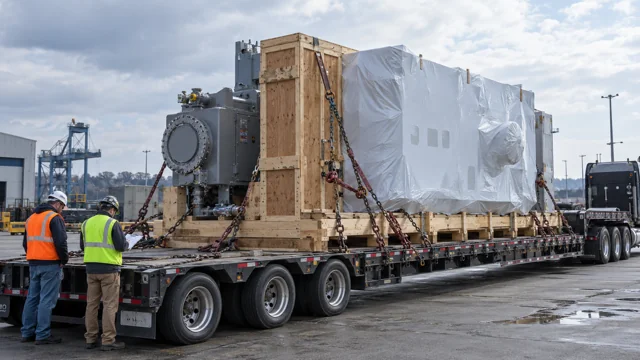
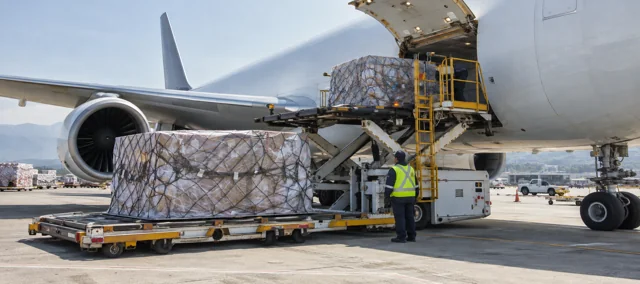
Technology freight can include servers, electronics, telecom equipment and precision instruments. Value, theft exposure and physical sensitivity can differ considerably between shipments. Disclose the actual cargo and required controls so the operating provider and coverage can be reviewed before a booking is accepted.
Freight profile and shipment information
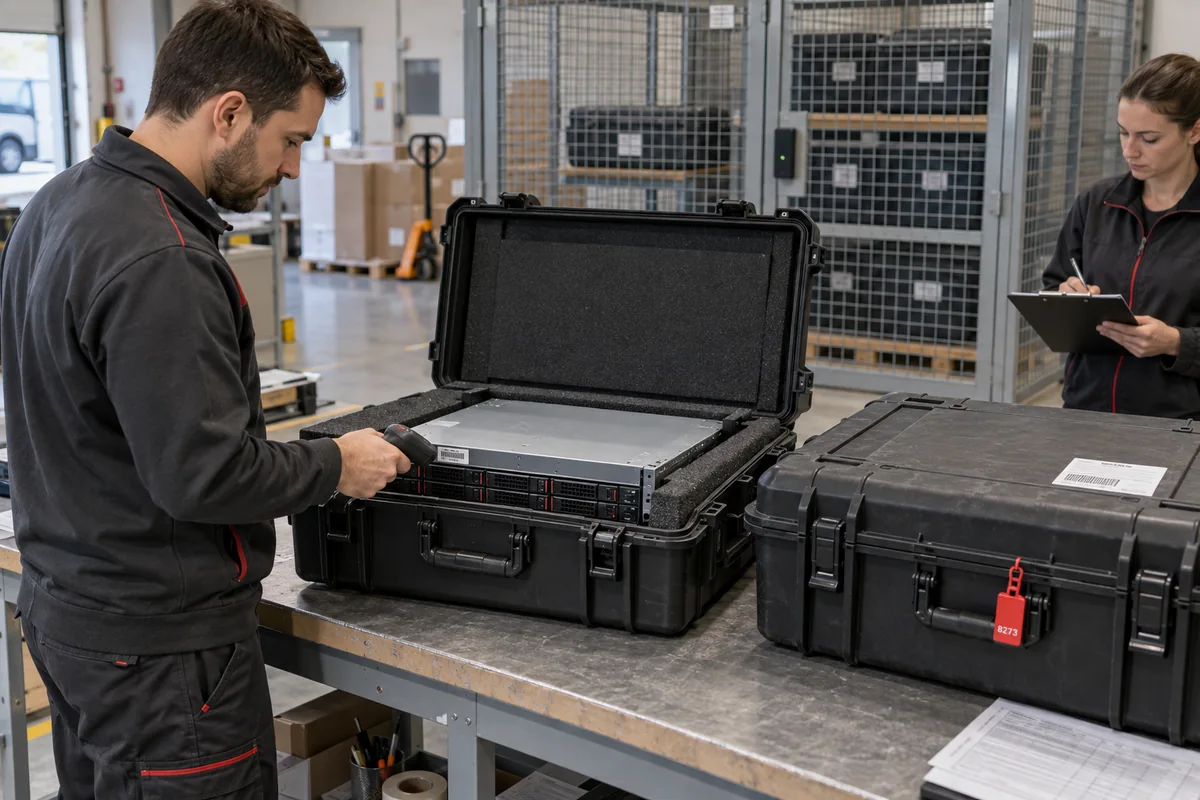
Provide the product type, packed dimensions, weight, value and handling instructions. Identify orientation, shock or moisture concerns, serial-number requirements and any batteries or regulated materials. Describe whether equipment is new, used or being returned. Avoid including passwords, access credentials or unnecessary device contents in shipment records.
What to prepare before booking
Confirm packing suitability, authorised release contacts and receiving access. If dedicated equipment, restricted transfers, enhanced custody records or special parking controls are needed, request them explicitly. Review coverage before tender; a declared value does not automatically create insurance for that amount. Installation and data handling are outside ordinary freight scope.
How VEXO coordinates the movement
VEXO coordinates the accepted equipment and custody requirements with the provider. The plan should define pickup verification, shipment references, update milestones and how a change is approved. Serial lists and photographs can support the record when agreed. Do not share detailed cargo value or route information with unverified contacts.
Shipper, carrier and receiver responsibilities
The shipper prepares suitable protective packaging and checks the arriving provider against the accepted dispatch. The carrier follows the agreed instructions and reports a mismatch or unauthorised redirection request. The receiver records package condition and identifiers where required. Technical functionality testing should be performed by the responsible qualified team.
When plans change or issues arise
Report suspected tampering, missing units or damaged packaging promptly and preserve evidence. Verify a requested destination or carrier change through established contacts before release. Secure affected goods while instructions are obtained. A claims investigation needs the shipment records and supporting evidence; payment or invoice processing is not a substitute for incident reporting.
Build a repeatable shipping programme
For ongoing work, share your primary lanes, expected weekly volume, peak periods and the requirements that vary by location. Identify an operations contact and an alternative decision-maker for time-sensitive changes. A useful programme records equipment expectations, receiving windows, documentation and escalation arrangements for each lane.
Before each tender, confirm the current cargo, timing and site instructions. A previous successful delivery does not mean that a changed product, facility or handling requirement has already been accepted. Review new requirements with the coordinator before the freight is released.
Agree how performance will be discussed: pickup and delivery outcomes, avoidable waiting, recurring paperwork issues and supported billing discrepancies are practical starting points. Any reporting format or review schedule should be agreed for your account rather than assumed from a website description.
Delivery records and follow-through
Retain the accepted quote, shipment instructions, transport document and delivery receipt. Record visible shortages or damage accurately, preserve photographs and packaging where relevant, and report the issue promptly with the shipment reference. A receipt notation is useful evidence but does not replace presenting a claim through the applicable process.
Waiting, additional handling, changed destinations and redelivery should be supported by the relevant dates, times, receipts and instructions. Send these with the shipment reference so the parties can reconcile the charge against the accepted scope. Questions about product quality or suitability should go to the responsible product specialist.
Start the conversation
Use the quote form for your route, cargo and timing requirements, or speak with a specialist about a recurring programme. Include the industry-specific details above so the team can assess equipment and provider fit. Services, special handling and timing commitments are confirmed for the actual shipment before booking.
Request an industry quote ↗ Speak with a specialist